How can we truly show that we have learned? In the traditional educational setting, many refer to testing. Tests are handed out, and teachers sit, watching in silence as students answer questions alone. Then data is collected to produce a standardized graph to tell us what students know. But did they really get a chance to show what they learned? Does that tell us who they truly are and what they are capable of?
Beyond the Bubble Sheet: Giving Students Back Their Voice
At our Impact Schools, students have already been faced with enough tests in their lives. Many are dealing with choices from themselves and others. Academia isn’t their biggest priority at the moment. Instead of adding more, we open a chance for them to find what many have taken away from them…their voice. Using their voice, students are presented with an opportunity to show what they have learned in whatever way they feel confident and comfortable presenting. We call this our Show of Learning.
Our Show of Learning looks different on every campus, but has the same outcome. A chance for students to present their learning through an inquiry project they have chosen and worked on throughout the unit.
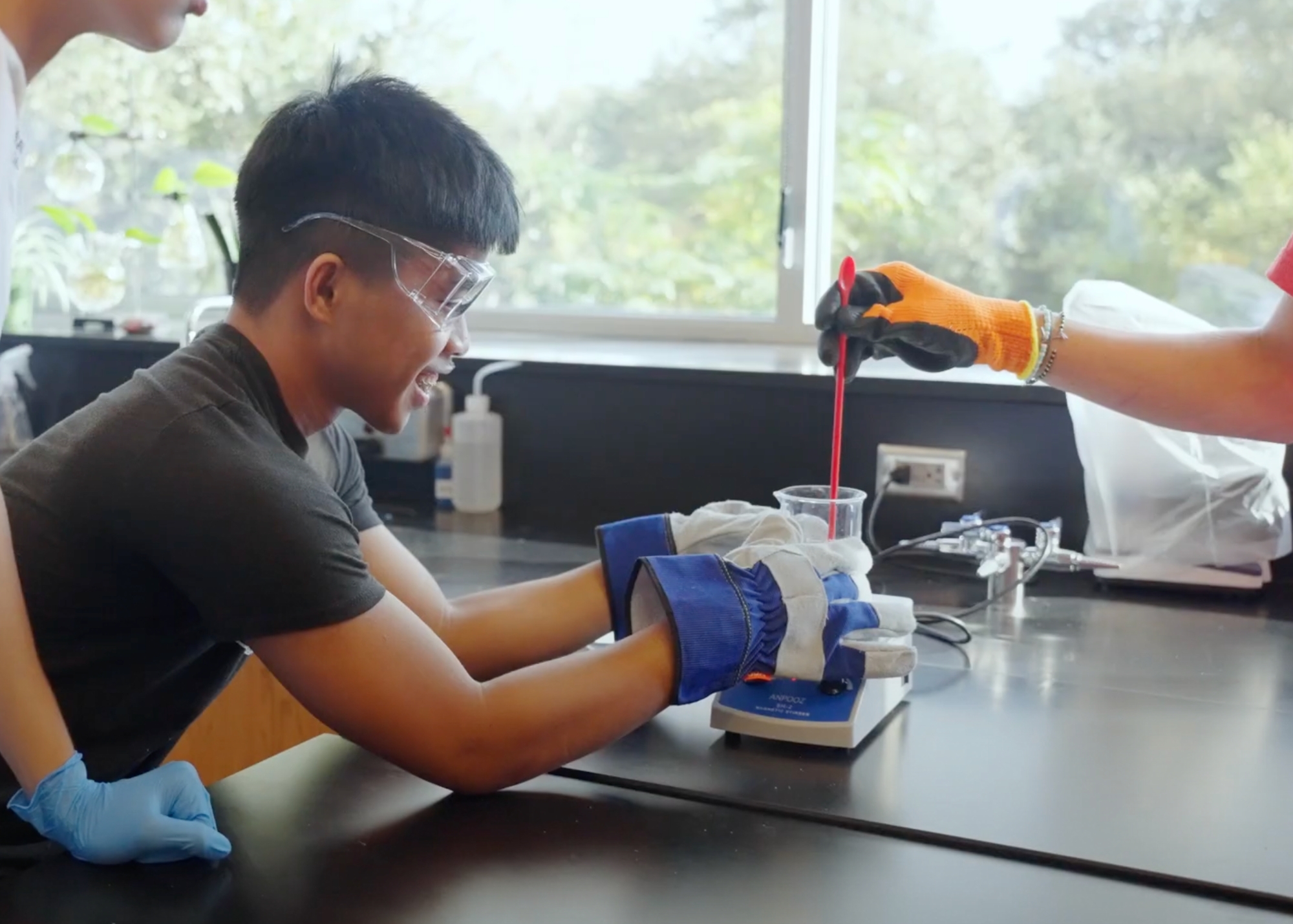
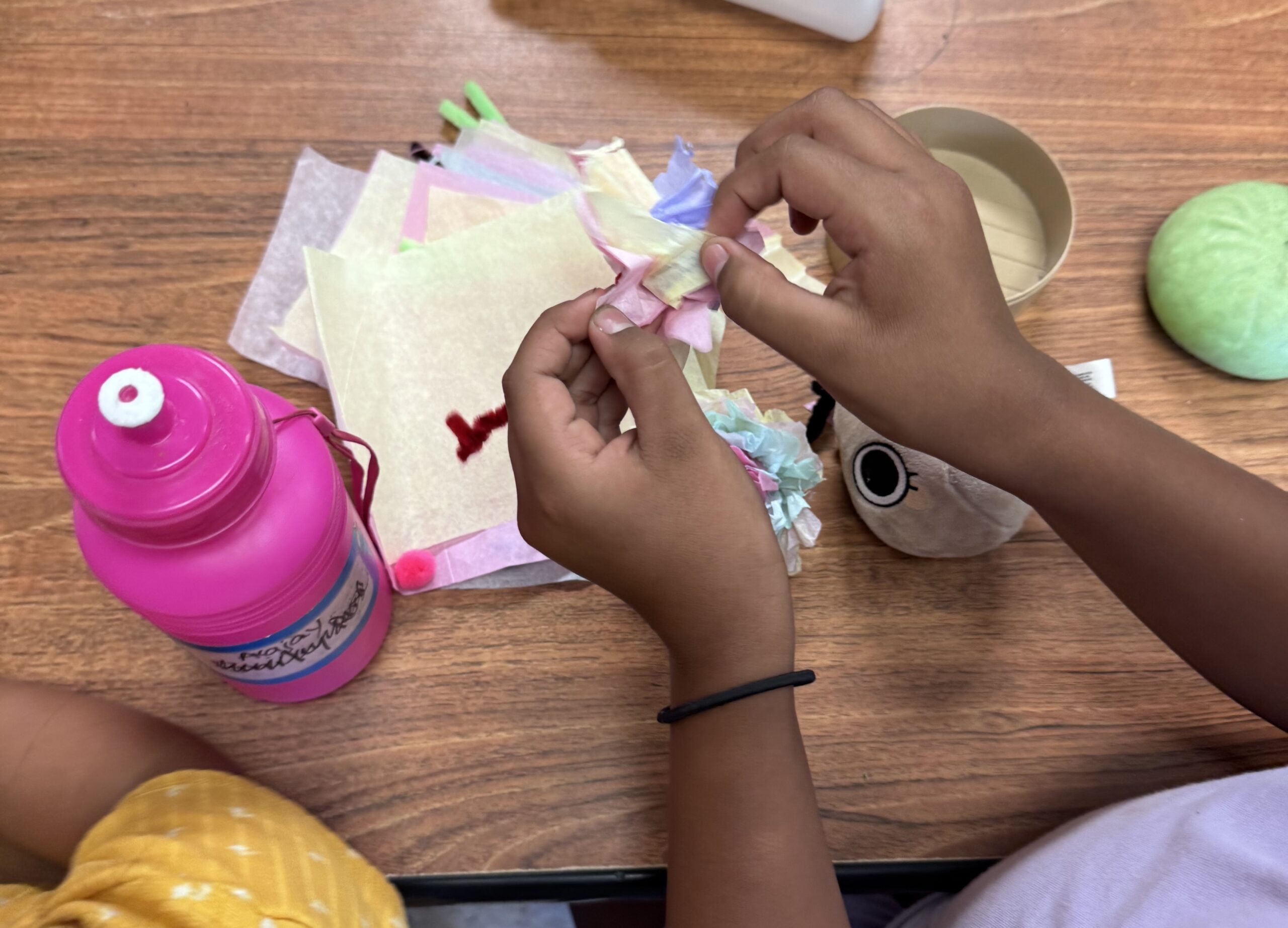
Every day, Impact Campuses are filled with experiences, lessons, collaboration, and so much more. Each day, students take in information through our inquiry-based learning model, engaging in labs, stations, experiments, and discussions, all connecting to a theme for the unit. Our first unit looked at relationships, specifically answering the essential question: “What do healthy relationships look like?” Every lesson, every experience, every moment was tied back to relationships. It was a chance for students to dive into different ways to see the same topic. Students on one campus became a real-life number line using tape and movement to show the relationship between positive and negative numbers, while finding connections to positive and negative in their own relationships in life. At another campus, students viewed various moments from pop culture and film to discuss together how different roles and guides are found in life and how we see those in real time. And so many more experiences were brought to life in the classroom and out of the classroom. A true inquiry involves many paths of research, experiences, and trial and error.
In the final week of the unit, the students took charge. They made choices about how to show their learning and collaborated with each other and facilitators to create their own project, using their own voices to show what they learned. Could we have given them a test with questions and multiple-choice answers? Sure…it would have given us data. It would have shown some learning, in one way. But it would not have shown all students’ learning. It would have been one path, one way…and we all know students are not one entity. They are many, each with their own path and their own way of learning. So why not give them many ways to show their learning?
The Power of Real Transformation
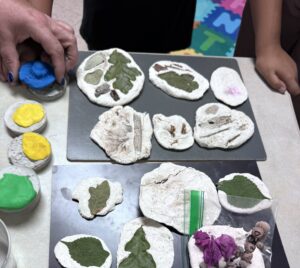 Another reason is the power of moments we get to have with the students. Not just the moments leading up to the show, but the moments during and after. The moment we watched a ninth-grader, convinced she would never understand high-level math, choose graphs and charts as her representation after interviewing the people around her. The moment she stood up and used academic mathematical terms to showcase what people need to create healthy relationships, and the different traits found in those relationships. The moment a student who made choices in life they can’t take back wrote an essay discussing not only what healthy relationships are but also how to build their own in life. The moment a student took their love for art and created a personal image that shows life with sobriety and the relationship they see between their old self and the self they are creating now. These are powerful moments that do so much more than show their learning about ELA and math.
So why do we take a day to invite guests to our campuses, to have students stand next to their projects, ready to talk to others? Why do we spend our time letting students build projects, some of which fail and require them to start over? It’s a simple answer, really. We want students to have their voices heard, showing us what they have learned. We want the students to experience that powerful moment when they can stand with their project with pride and show exactly who they are and what they have learned. And the best part? The moments when the students come back at the end and realize for themselves what they have learned. Show of Learning isn’t really about us after all… It’s about students seeing themselves as true learners.
 Danni Beall is in her 12th year of education. She worked for eight years at Royal Junior High outside of Houston, then moved to San Antonio, worked for three years in open enrollment at Anne Frank Inspire Academy, and is now the Academic Director for South Impact Campuses. She has taught ELA, speech, dyslexia, beginner theatre, advanced theatre, competition theatre, and writing classes. Danni is a firm believer that there is learning in everything and that it is only when we transform how we look at learning that we can actually see what our students can take away from us.