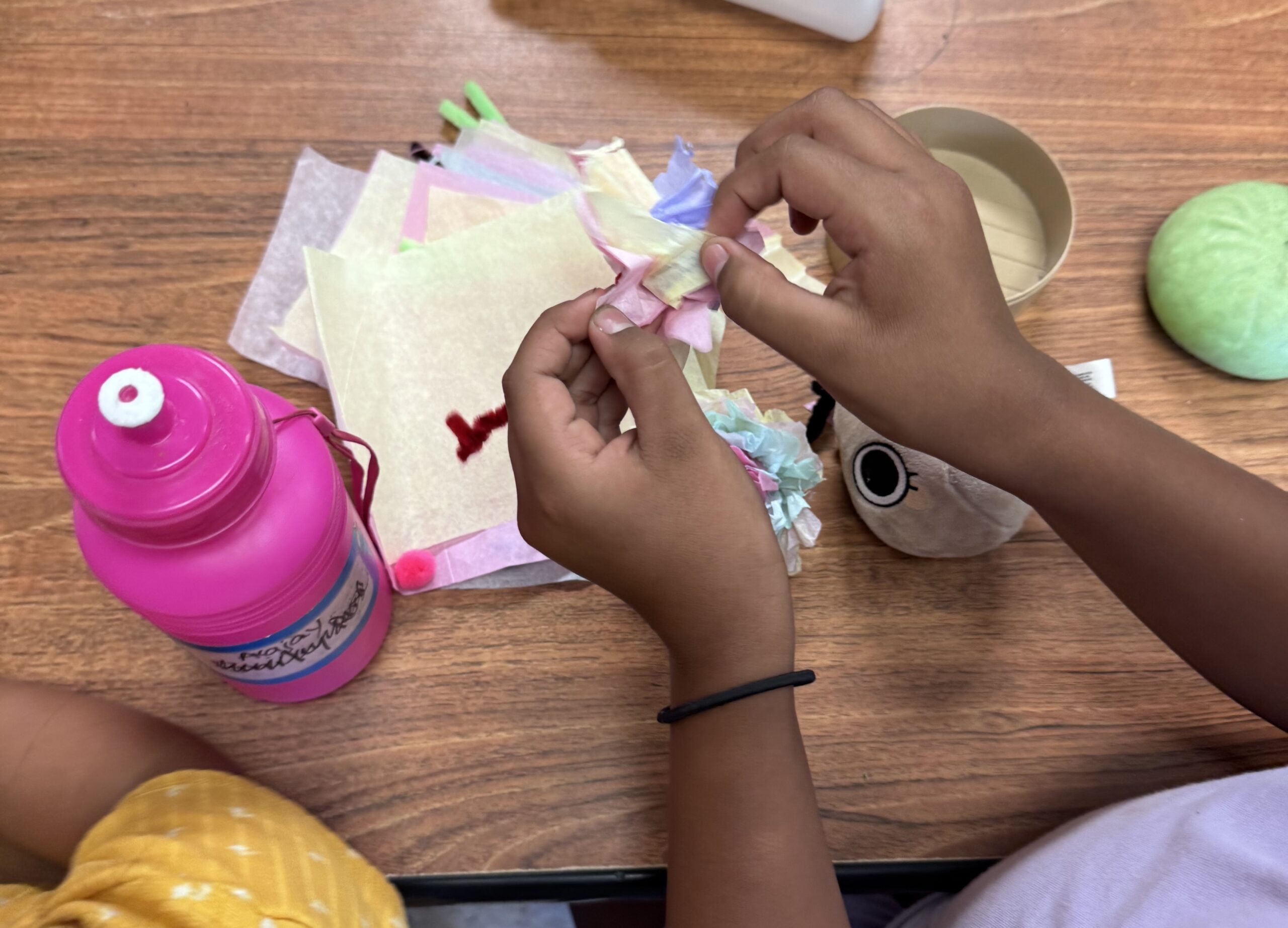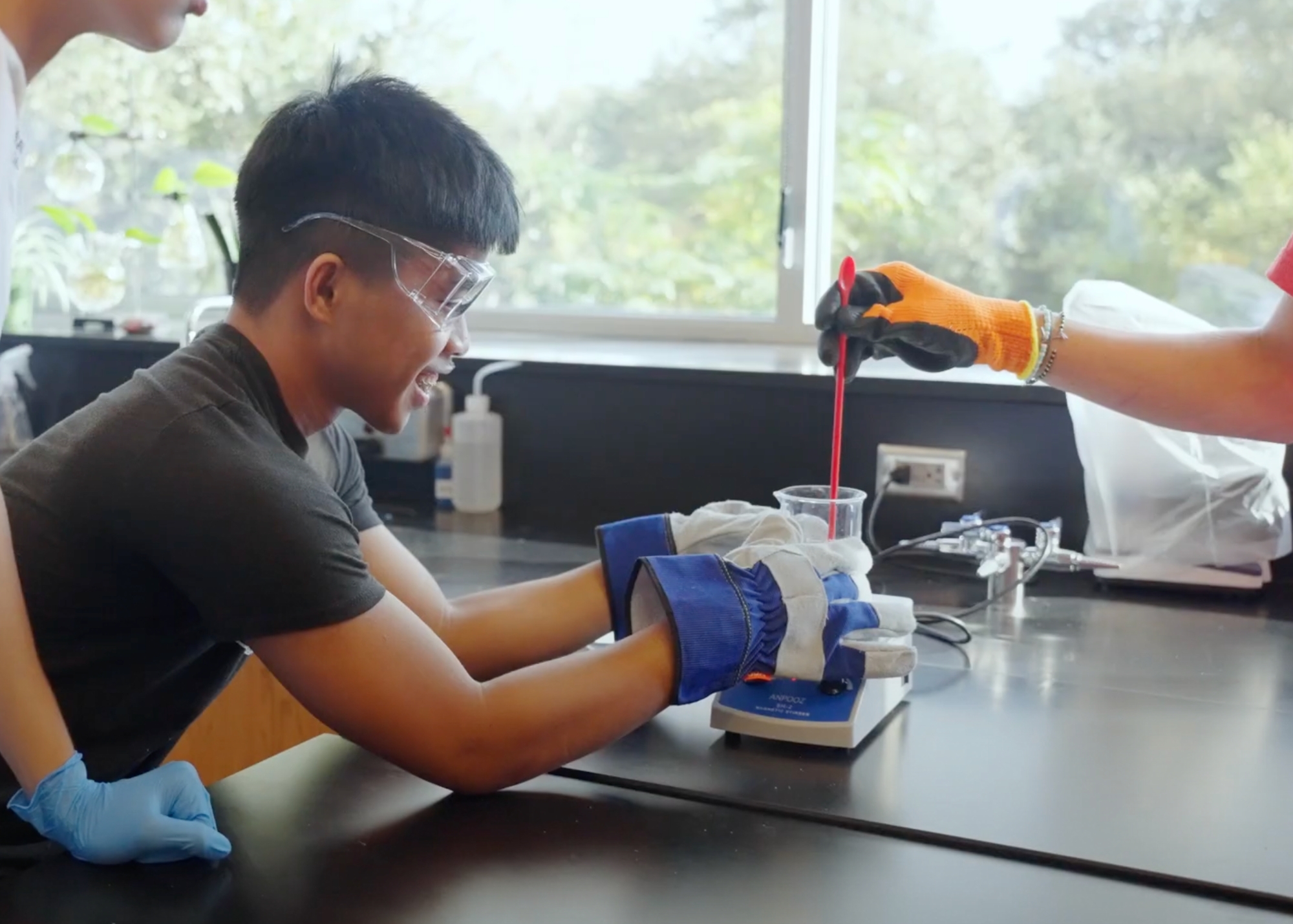

Welcome new campuses in Fort Worth, Levelland, Post, San Angelo, and Wichita Falls.
Here at BRAINATION, our mission to reimagine and transform global learning is a commitment that demands action. As we look ahead to the 2026-27 school year, we are thrilled to announce a significant milestone in that ongoing mission: BRAINATION is expanding by partnering with five new residential facilities across Texas.
This expansion means bringing our unique, student-centered educational model to more students in residential settings. But why now, and what does this mean for the future of our students and our staff?
We recently sat down with Superintendent Justin Johnston to discuss the “why” behind this five-school expansion, how it aligns with our core imperatives, and what success will look like a year from now.
Ready When Needed
Growth for the sake of growth has never been the BRAINATION way. According to Johnston, this expansion is the result of years of intentional preparation and system-building to ensure we are ready when our communities need us most.
“What we’ve done over the last couple of years is try to get it to where we’re scalable so that when we do have these opportunities, we can scale up to be able to support the new facilities and their needs,” Johnston explained. “Part of our work is simply being there when we’re needed. And this is an opportunity and a time in which we’re needed, and we’re excited to help these students.”
While scaling up an organization is no easy feat, the leadership team is confident in the foundation that has been laid. “Expansion is hard. Expansion is difficult,” Johnston admitted. “But we have the mindset that we want to grow and help where needed. We have the mindset of creating systems that are scalable. We have the mindset of wanting to be able to help kids belong and find joy and be great inside of whatever situation that they’re in.”
Reimagining Learning Beyond Compliance
Students in residential facilities often face immense trauma and transitional hurdles. Historically, education in these settings can easily devolve into simply checking boxes and learning through computer programs. BRAINATION is stepping in to change that narrative completely.
“It’s more than just compliance. It’s not about seat time. It’s not simply about credit. It’s not about sitting there and not causing trouble,” Johnston said. “It’s about truly learning how to leverage the natural curiosity of the brain to inspire students facing significant challenges.”
Rather than ignoring the difficult circumstances these students find themselves in, the BRAINATION model leans into them, helping students “label their learning” regardless of their environment.
“It’s a huge loss if you go through a bad experience and you don’t learn out of it at the same time,” Johnston noted. “If we can teach kids how to learn in these experiences, then for the rest of their lives, they’ll be able to learn both in times of flourishing and times that they’re struggling. Our uniqueness comes from intentionally designing learning experiences that lean on a learned thought process. We allow for kids to be able to take who they are now, bring that to the table, and shape their future.”
Finding Joy in the Hard Spaces
One of BRAINATION’s core imperatives is to Find Joy. To outsiders, applying this concept to students living in residential or juvenile facilities might seem impossible. However, Johnston offers a profound reframing of what it means to foster joy in non-traditional environments.
“I don’t think I can bring joy. I think I can create an environment where people can accept joy,” he shared. “You find joy in negative times in your life because you choose to allow it. And so what we’re really hoping to create is… a space in which we help kids have enough self-awareness to recognize that I can cry and laugh in the same minute, or I can be happy and still want more at the same time — that it’s not a single story. We can help every kid find a space in which they can accept joy.”
A Message to Incoming Staff: You Have a Voice
With five new campuses comes the exciting opportunity to welcome new educators and staff members to the BRAINATION family. For professionals transitioning from other organizations that serve residential facilities, the daily schedule and student flow might feel familiar. However, the culture will be remarkably different.
Johnston offered a clear message to those joining the team: “What’s different about us is that we’re not trying to just meet compliance. You should feel a lot more support. You should feel a higher level of professional development. You should feel a higher expectation of, ‘Hey, we’re here. We have maybe 24 hours, a few days to make a difference. Sometimes we have over a year.’ While we don’t control the time that we have with kids, our expectations are that we make a real difference in the time that we’re allotted.”
Perhaps most importantly, Johnston emphasized the collaborative nature of the district. “The other large difference is that you have a voice. There’s a lot of trust given to our staff that executes at facilities because it’s different. Don’t come into a non-traditional setting expecting to have traditional roles or to have traditional days. We acknowledge that, and we want to design for that. And so we’re always open to hearing from our staff how we can design better.”
Looking Ahead
When asked what success would look like a year from now, Johnston kept it powerfully simple. Externally, it means happy facilities that feel their unique needs are being met. Internally, it means staff feel supported, and students are actively engaging in the growth process — even when that growth is non-linear.
As we prepare to open the doors to these five new campuses in the 2026-27 school year, we are immensely proud of our dedicated team and the systems we’ve built. Because when that next group of kids needs to be served, BRAINATION will be ready.
Are you an educator looking to make a true difference and help students find joy in non-traditional settings? Check out our careers page to view open positions for the 2026-27 school year.
Philip Castillo is executive director of communications for BRAINATION.