One of the most common questions families ask when they tour an Inspire Academy is, “How is your instruction different?” It’s a natural question. Most of us grew up in a very traditional educational setting. We are used to desks neatly organized in rows, a bell schedule that dictates every minute of the day, and a teacher standing at the front of the room lecturing.
But when you walk the learning spaces of an Inspire Academy, you see something entirely different. You see students moving. You see small groups debating. You see hands-on labs happening in the middle of a history block.
We do this because we place an incredibly high value on experiences.
Experience Before Label
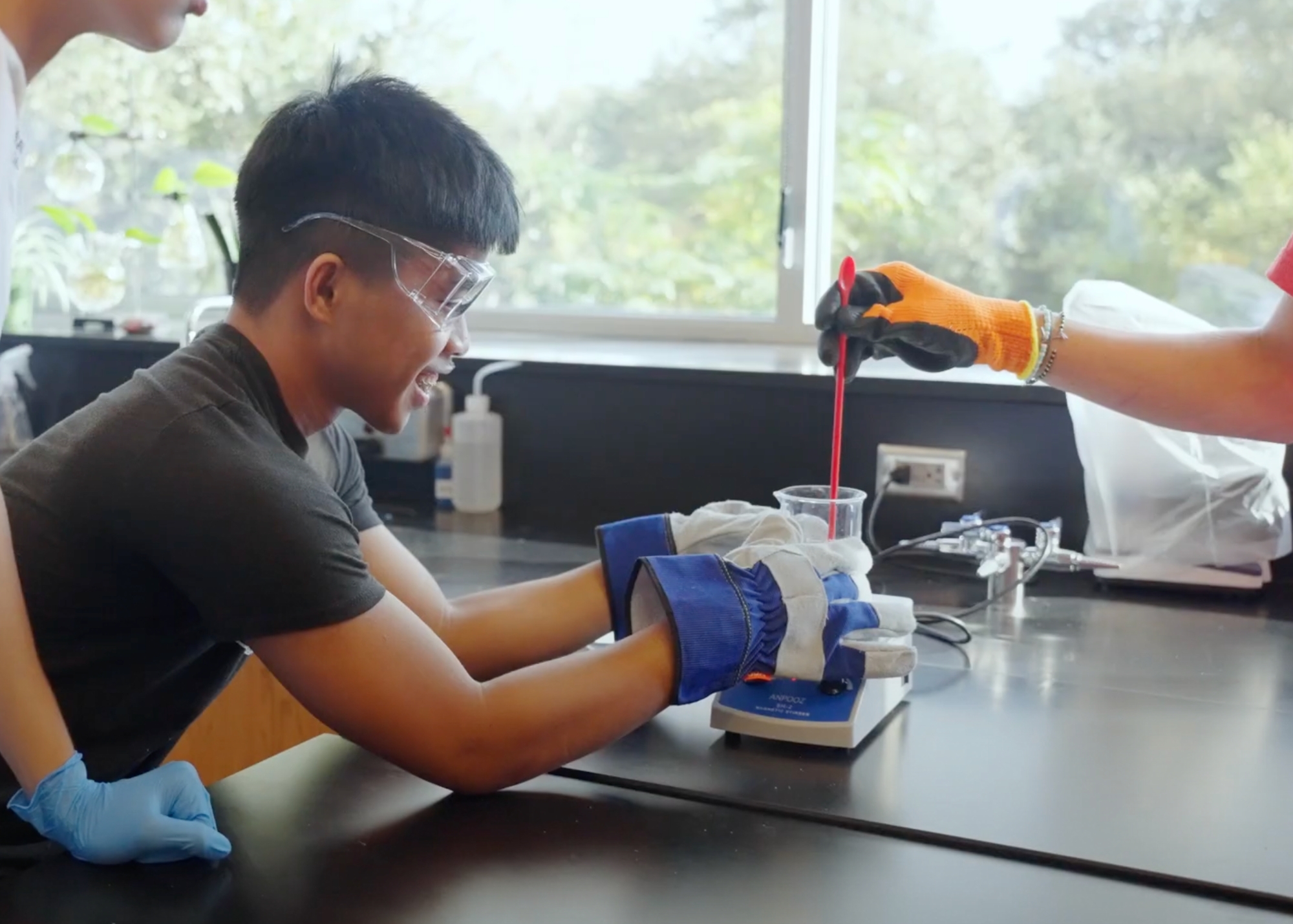
In our instructional model, we use experiences to anchor learning. We call this philosophy “Experience before label.” In a traditional setting, a teacher might write a new vocabulary word or scientific concept (the label) on the board, define it, and then ask students to practice it. We flip that script. We want our students to experience the concept through a lab, an exploration, or a group challenge first.
Using those experiences gives us the ability to use strategic questioning to debrief the learning with our students afterward. When a student discovers the “why” on their own through an experience, we can then attach the academic “label” to it. This is what truly solidifies not just the content, but the real-life connection to the learning.
The Teacher as a Guide
To make this happen on a day-to-day basis, we position our teachers differently. They are not lecturers; they are guides throughout the learning process.
Students still receive direct instruction when they need information explicitly taught to them, but that part of the day is much smaller. We move away from the typical “stand and deliver” method and lean heavily into student-led experiences.
This shows up throughout the day as:
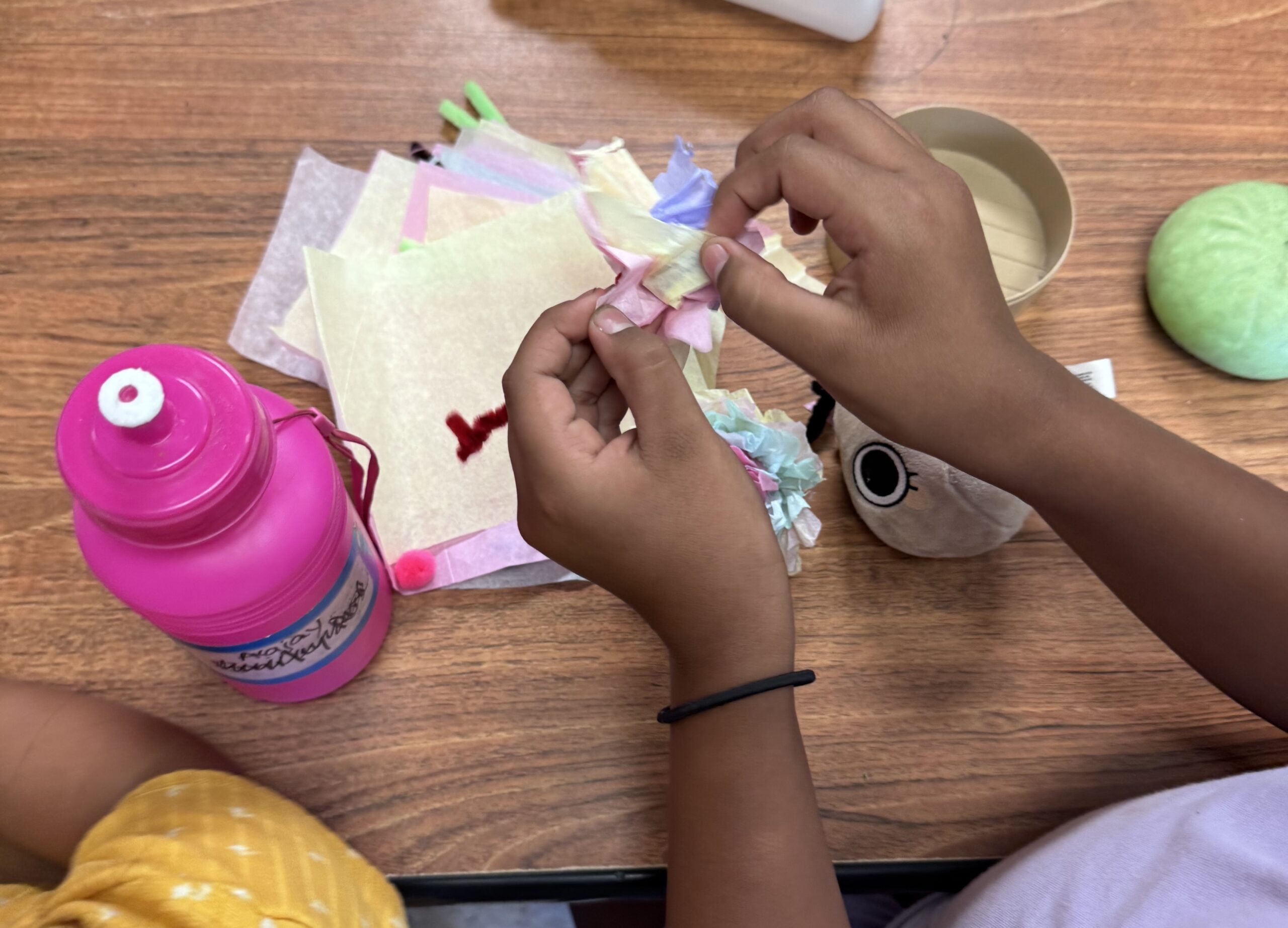
- Explorations: Well-designed challenges that students tackle individually or in groups.
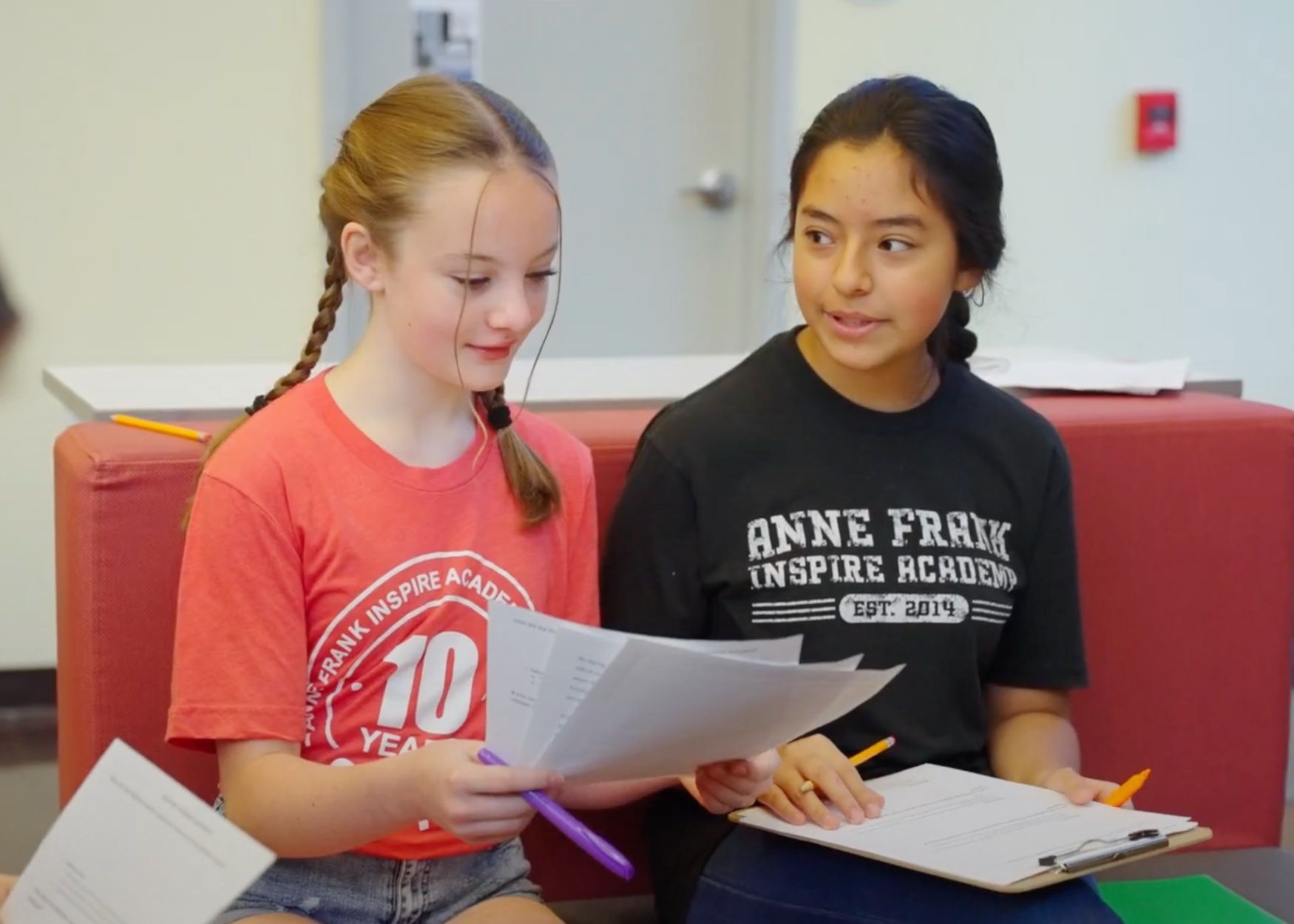
- Workshops: Targeted sessions to help students develop and practice specific skills.
- Hands-on Labs: Activities that bring abstract learning to life.
- Debriefing: The crucial time spent discussing the experience to receive highly intentional feedback.
Designing for the Brain’s Natural Rhythm
These instructional practices allow students to lean into the way their brains naturally work.
Science tells us that we can only focus on direct instruction for a certain amount of time. We know that we need to explore and engage in a multitude of ways. Because of this, our students are not going to “sit and get” for a standard 45-minute class period.
Instead, we use flexible time blocks. A student might need to sit and do deep, quiet thinking for 15 or 20 minutes, and then transition into a 45-minute hands-on lab. The schedule bends to the intention behind the design of the learning, not the other way around.
Every one of us has a different way to approach learning. At Inspire Academies, we actively anticipate the barriers that different types of learners may face. We make decisions up front to provide the resources and support systems necessary so that all of our students can be successful, no matter the instructional method.
Measuring What Matters
Because our instruction looks different, the way we measure success has to look different, too.
We measure the mastery of what our students know and can do on an ongoing basis through the use of detailed rubrics. This allows us to provide specific, clear feedback along the way. A student always knows where they stand and what specific steps they need to take to reach true mastery of a skill.
And we don’t just keep this progress hidden in a grade book. We invite families to campus for Student-Led Conferences so that the students themselves can demonstrate what they know, what they can do, and what they have experienced.
At Inspire Academies, education isn’t something that happens to a student. It is something they actively experience, every single day.
April Maas is the Director of Curriculum at BRAINATION’s Inspire Academies and a parent of an Anne Frank Inspire Academy student.