If you walk into a traditional classroom anywhere in the country today, you’ll often see a rigid, familiar pattern. It’s a rhythm we all know because we all lived it: the teacher lectures, the students take notes, they memorize facts for a week, they take a test, and then they repeat the cycle.
We have all been there. And if we are honest, we all know the problem with it.
Think back to your own 10th-grade history class or high school chemistry. How much of that material do you actually remember today? For most of us, the answer is “very little.” That’s because the traditional education system was designed for an industrial era — a factory model meant to churn out standardized results. In that model, the goal quickly becomes “getting the grade” rather than “getting the knowledge.”
At BRAINATION, we believe our students deserve better than a factory model. We decided to take a different path. We don’t teach to the test. We teach to the brain.
The Science of “Sticking”
Our learning philosophy is grounded in neuroscience and educational psychology. We know that the human brain is not a vessel to be filled; it is a muscle to be exercised.
Research shows that when students passively listen to a lecture, retention rates are incredibly low. Information that isn’t connected to emotion, experience, or active practice is discarded by the brain almost as soon as the assessment is over.
To combat this, we design our learning experiences for how the human brain actually learns — through engaging experiences, productive struggle, and inspiring curiosity. Instead of the old “memorize and forget” cycle, we guide students through a natural cycle of deep learning that actually sticks.
It has three distinct stages: Exposure, Practice, and Mastery.
Phase 1: Exposure (The Spark)
Learning cannot happen without engagement. If a student doesn’t care about a topic, their brain literally puts up a barrier to learning it.
In a traditional school, a unit begins with a textbook chapter. In our schools, it begins with a spark.
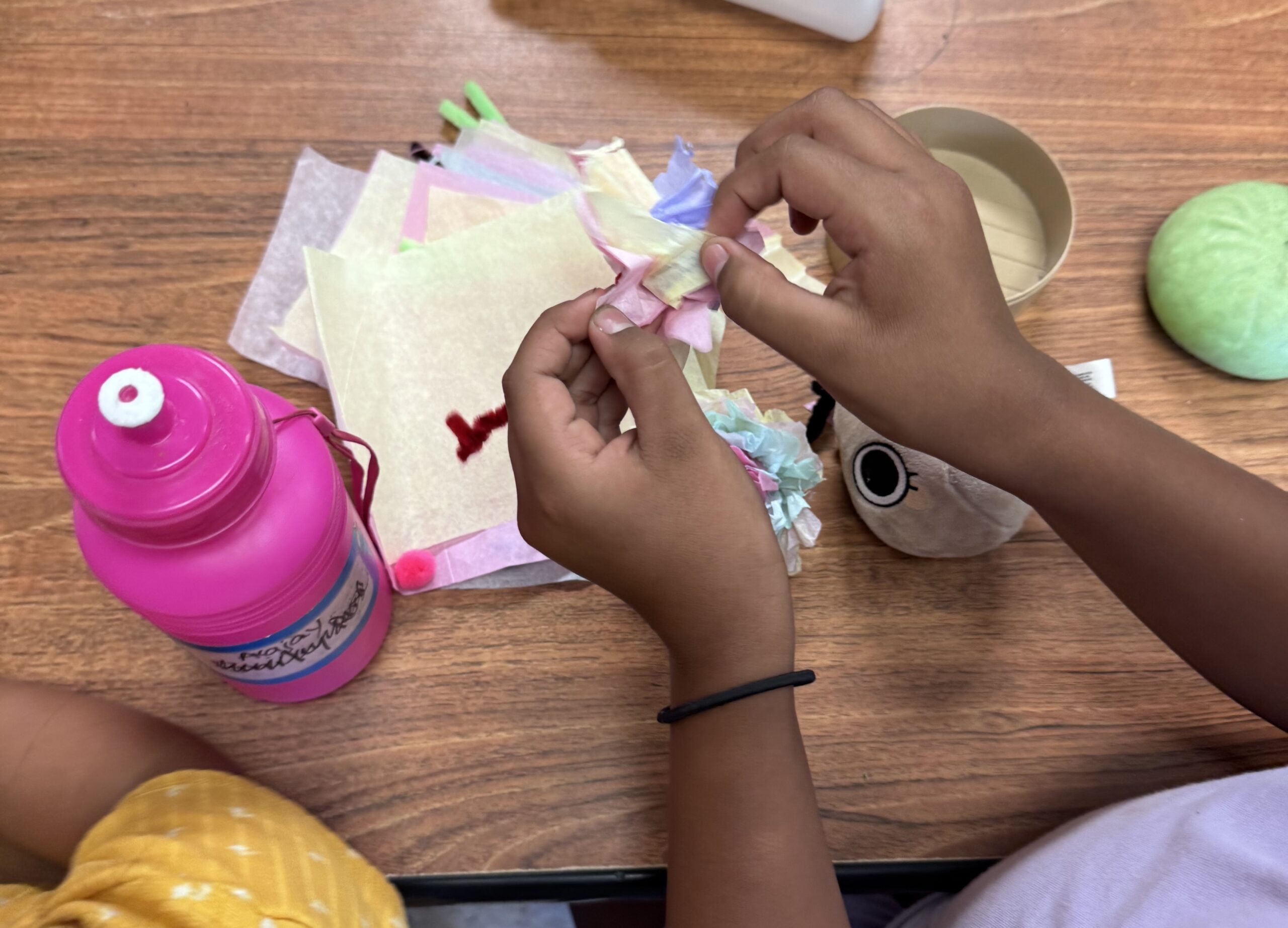
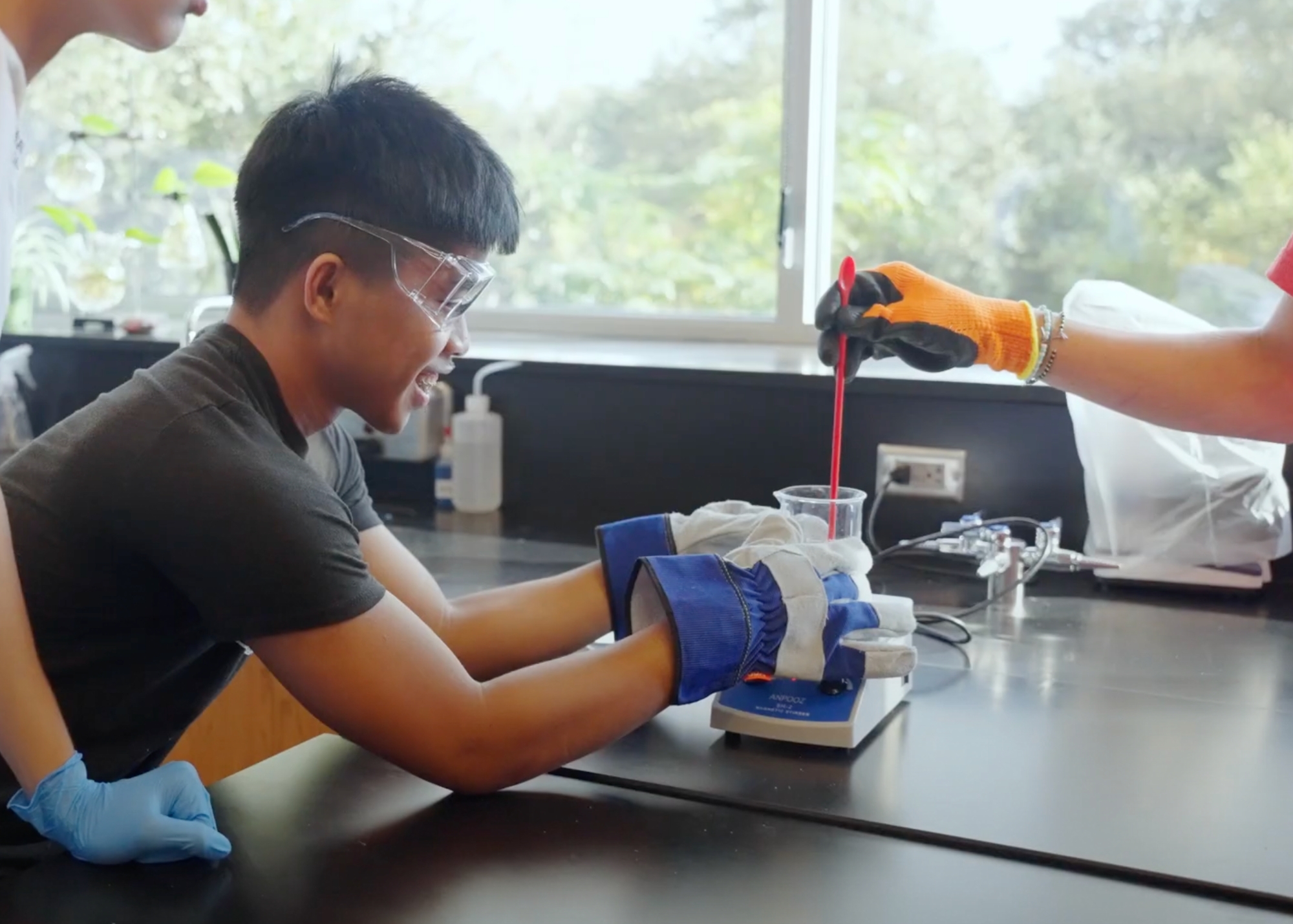
Exposure is about waking up the brain. We introduce new concepts in engaging ways to build curiosity before we ever ask a student to master a skill. This might look like a hands-on experiment, a controversial question that sparks debate, a field trip, or a guest speaker working in the field.
We want students to ask, “Why does this happen?” or “How can I solve that?” before we give them the answers. When curiosity is triggered, the brain releases dopamine, which primes it for learning. We capture their hearts before we tax their minds.
Phase 2: Practice (The Mental Gym)
Once a student is interested, they move into Practice. This is the “gym” for the brain.
In the traditional model, practice is often a lonely endeavor — worksheets done at the kitchen table, often leading to frustration. If a student gets it wrong, they receive a red mark and a lower grade.
We take a radically different approach. We believe that mistakes are not failures; they are opportunities for reflection and growth. In our classrooms, the practice phase is a safe harbor where students are encouraged to try, fail, receive feedback, and try again.
This is productive struggle. Just as you cannot build muscle without lifting a weight that feels heavy, you cannot build neural pathways without grappling with a difficult concept. By removing the fear of immediate punishment (bad grades) for early mistakes, we encourage students to take risks. They learn resilience. They learn that “I don’t know” is just the starting line, not the finish line.
Phase 3: Mastery (The Proof)
Finally, we arrive at Mastery.
In many schools, “mastery” implies getting a ‘C’ or better on a multiple-choice test. But does circling the correct bubble prove you can navigate the real world?
For us, mastery means transfer. Can you take what you learned in the classroom and apply it to a new, unfamiliar situation? Can you use that math formula to design a bridge? Can you use those writing skills to draft a business proposal?
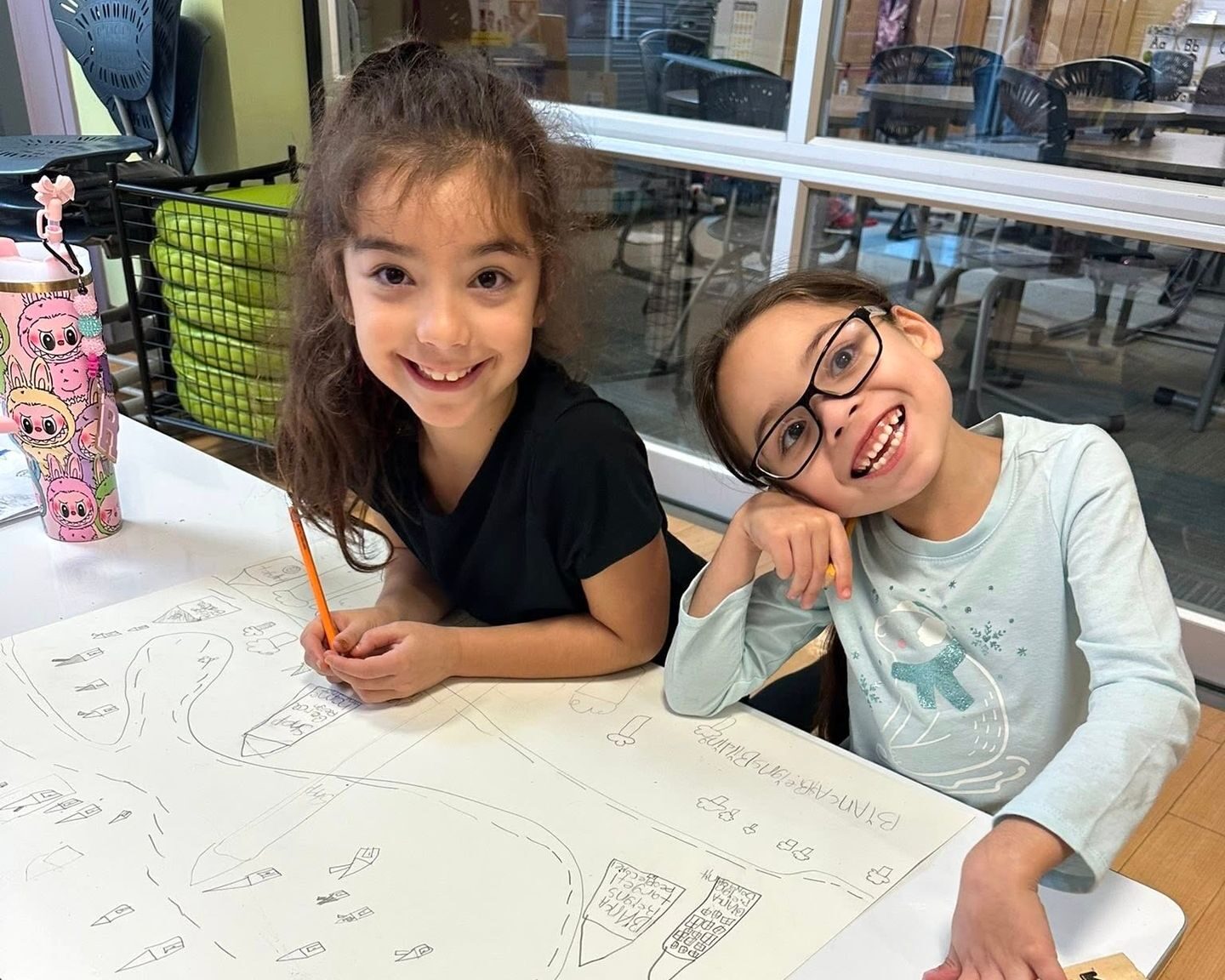
We want students to prove they really know it, not just that they memorized it for an hour. This often looks like projects, presentations, or portfolios rather than computer assessments. When a student achieves mastery here, they walk away with confidence, knowing they own that knowledge forever.
A New Conversation at the Dinner Table
It sounds simple, but this three-phase cycle changes everything about how a student feels about school.
When you remove the fear of the test and replace it with the pursuit of mastery, the entire culture of the classroom shifts. Students stop asking, “Is this on the test?” and start asking, “How does this work?” They stop trying to beat the system and start trying to build themselves.
This shift also changes the role of the parent. You no longer have to be the enforcer of rote memorization. Instead, you can become a partner in curiosity. When your child comes home, instead of asking, “What grade did you get?”, try asking:
- “What was the most interesting thing you failed at today?”
- “What problem are you trying to solve right now?”
- “How did you practice your new skills?”
Philosophy in Action
Ultimately, we are preparing students for a world that rewards thinkers, solvers, and creators. We are so excited to partner with families and like-minded educators to reimagine education. Welcome to the journey.